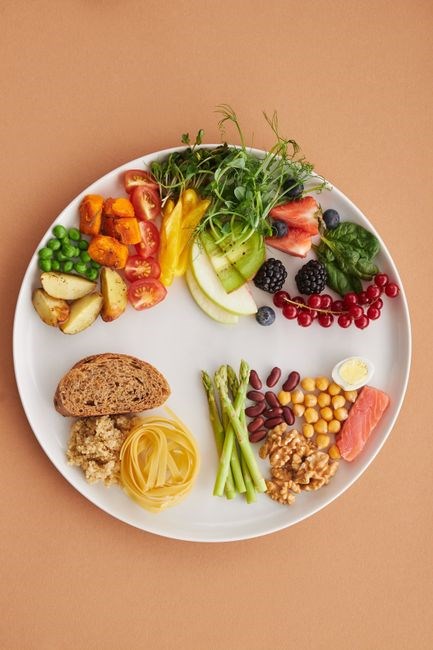
Printable 7-Day Acid Reflux Diet PDF Overview
This guide offers a week‑long menu crafted by a dietitian‚ featuring low‑acid‚ low‑fat meals‚ snack ideas‚ and tips for quick symptom relief. It includes printable sheets‚ meal prep suggestions‚ and a clear structure for daily eating for comfort. now!
What Is a 7-Day Acid Reflux Diet PDF?
A 7‑day acid reflux diet PDF is a downloadable‚ printable meal plan specifically designed to help people with gastro‑esophageal reflux disease (GERD) manage symptoms through targeted nutrition. Created by registered dietitians with years of experience in digestive health‚ these PDFs provide a structured schedule of low‑acid‚ low‑fat meals that soothe the esophagus and reduce stomach irritation. Each day is broken down into breakfast‚ lunch‚ dinner‚ and snack options‚ with clear ingredient lists and portion sizes that can be easily adjusted to individual preferences or caloric needs.
Unlike generic diet charts‚ a 7‑day acid reflux PDF focuses on foods that have been clinically shown to minimize acid production and esophageal irritation. It highlights the importance of balanced macronutrients‚ adequate fiber‚ and gentle cooking methods. The plan also includes practical tips for meal prepping‚ grocery shopping‚ and tracking symptom changes‚ allowing users to see which foods truly help them feel better. By following the weekly menu‚ many people experience faster relief from heartburn‚ regurgitation‚ and nighttime reflux‚ while also gaining a clearer understanding of how their diet influences digestive comfort.
Because the PDF is printable‚ users can keep a physical copy at home or in the office‚ making it easy to reference during the week. The format typically includes a calendar view‚ a shopping list‚ and space for notes‚ so you can personalize the plan without losing the structure that keeps your stomach calm. In short‚ a 7‑day acid reflux diet PDF is a practical‚ evidence‑based tool that turns complex dietary recommendations into an everyday‚ manageable routine for lasting relief.
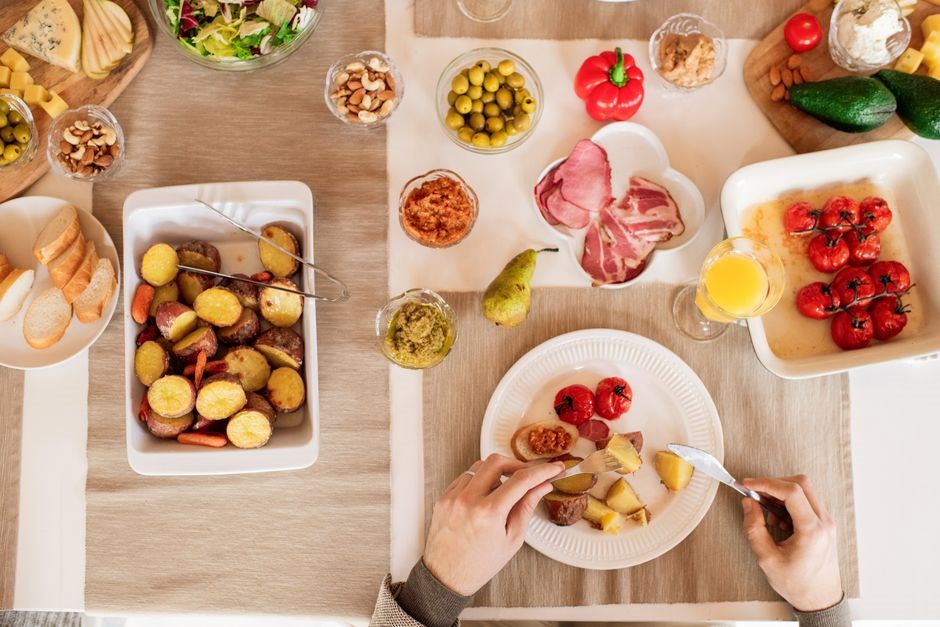
Benefits of a Printable Meal Plan for GERD
A printable 7‑day acid reflux diet PDF offers several advantages for people with GERD. First‚ it provides a clear‚ day‑by‑day menu that eliminates guesswork‚ reducing the risk of accidentally eating trigger foods. The structured format encourages balanced nutrition‚ ensuring adequate protein‚ fiber‚ and healthy fats while keeping acid production low. Second‚ having a physical copy makes it easy to reference while grocery shopping or meal prepping‚ saving time and preventing last‑minute substitutions that could worsen symptoms. Third‚ the plan includes space for tracking symptoms‚ allowing users to see how specific foods affect heartburn‚ regurgitation‚ or nighttime reflux‚ and adjust portions accordingly. Fourth‚ the PDF’s printable nature means it can be kept in a kitchen drawer‚ at work‚ or on a phone‚ providing constant accessibility. Finally‚ because the plan is created by registered dietitians‚ it reflects evidence‑based recommendations‚ giving confidence that the meals are both safe and effective for long‑term digestive health. By following this plan‚ many users report a noticeable drop in nighttime heartburn and improved overall digestion within a week‚ making it a practical tool for daily relief Stay symptom‑free
How to Access and Download the PDF
To obtain the printable 7‑day acid reflux diet PDF‚ start by visiting the official resource page that hosts the guide. Most providers host the file on a secure server‚ often linked from a dedicated “Download” button or a “Free PDF” banner. Click the link‚ and the browser will prompt you to open or save the document. Choose “Save” to keep a local copy on your computer‚ tablet‚ or phone. If you prefer a hard copy‚ simply open the downloaded file and select the print option‚ making sure the page layout is set to portrait for optimal readability. Some sites offer a preview window; use it to confirm that all meal rows‚ snack suggestions‚ and symptom‑tracking columns appear correctly before printing. If the file is password‑protected‚ you will be asked to enter the code provided in the email confirmation or on the download page. Once the PDF is saved‚ you can bookmark the download page for future reference or share the file via email or cloud storage. This simple process ensures you have instant access to a structured‚ dietitian‑approved meal plan that can be printed‚ stored‚ and used daily to manage GERD symptoms effectively. Stay hydrated to dilute stomach acid and ease reflux. Adjust portions to your comfort and if symptoms persist‚ consult a healthcare professional for guidance!
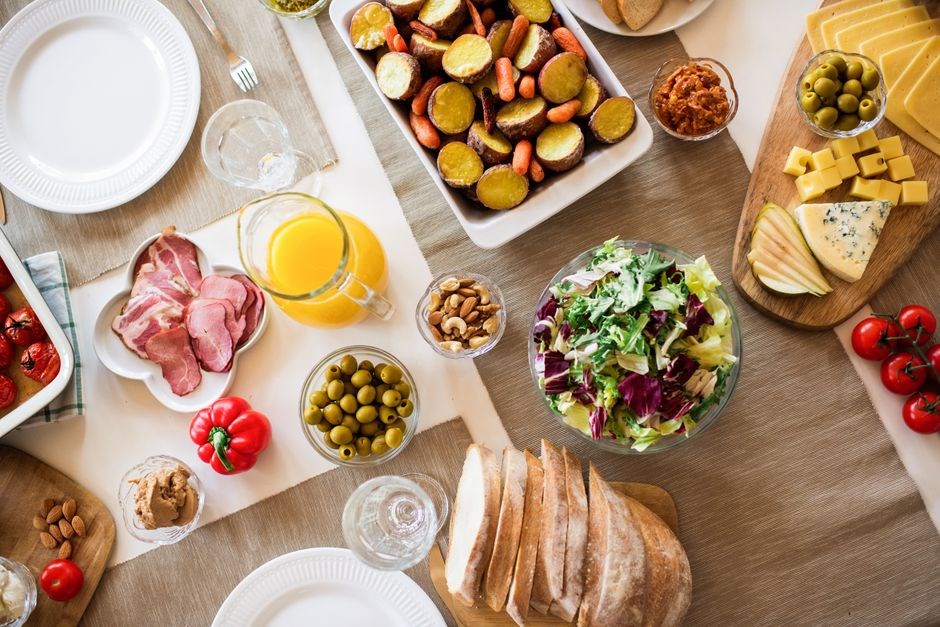
Structure of the 7-Day Plan
The printable 7‑day acid reflux diet PDF is organized into a clear‚ day‑by‑day framework that guides users through every meal and snack. Each of the seven pages corresponds to a calendar day and contains a table with four main columns: Breakfast‚ Lunch‚ Dinner‚ and Snacks. Within each column‚ the planner lists specific low‑acid‚ low‑fat options‚ along with portion sizes measured in cups or ounces. A dedicated “Notes” section at the bottom of every page allows users to record symptom triggers‚ how they felt after eating‚ and any adjustments needed for the next day. The PDF also includes a “Weekly Overview” sheet that summarizes total daily calories‚ fiber intake‚ and a quick‑reference list of foods to avoid. This overview helps users spot patterns and stay on track. The layout is designed for easy printing on standard A4 paper‚ with a single‑column format that fits comfortably on one side of the sheet. The printable format also supports digital editing‚ so users can type directly into the PDF if they prefer a digital copy. Overall‚ the structure balances detailed guidance with flexibility‚ allowing individuals to customize portions or swap meals while maintaining the core principles of a reflux‑friendly diet. Enjoy the plan. and feel better!
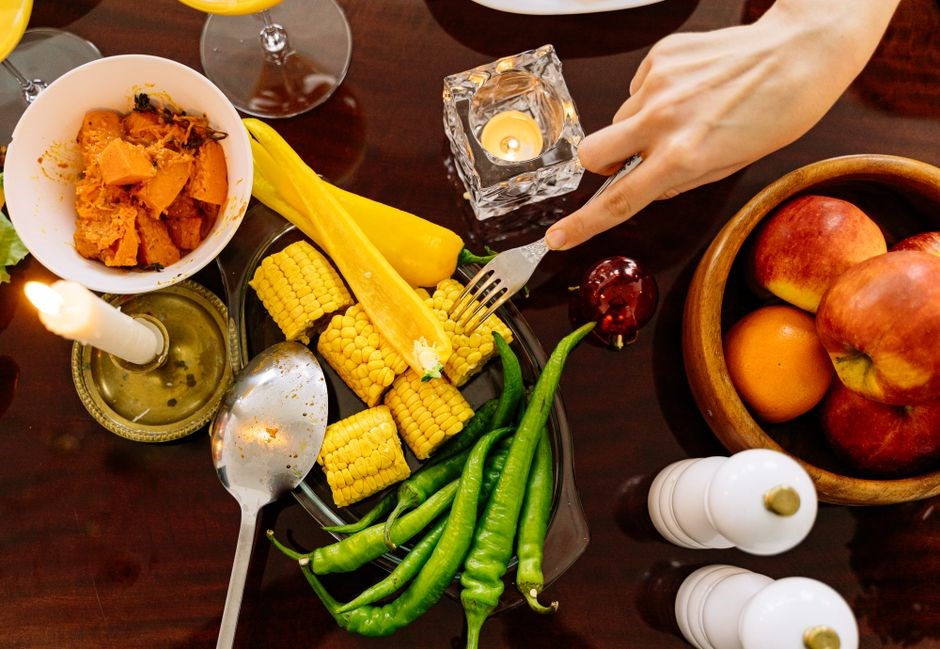
Key Components of the Diet Plan
The plan centers on low‑acid foods‚ macros‚ control‚ and tracking hydration daily. It features breakfast‚ lunch‚ dinner‚ and snack slots‚ a weekly summary‚ and a list of trigger foods to avoid. Flexibility lets you swap meals while staying reflux‑friendly.
Low-Acid Breakfast Options
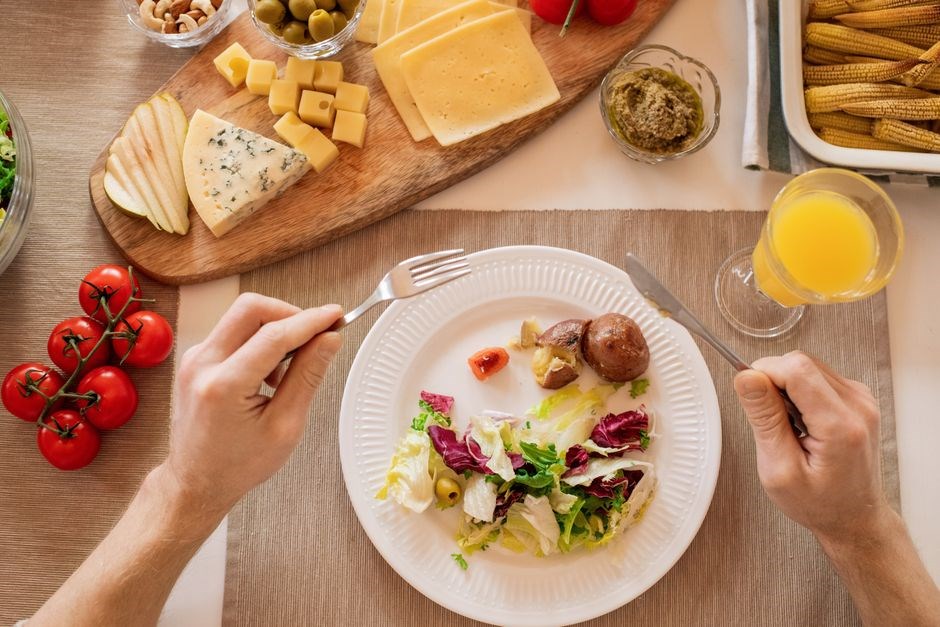
Begin each morning with low‑acid meals that soothe the stomach. Oatmeal topped with sliced banana and a drizzle of honey—cooked in water or oat milk—is fiber‑rich and unlikely to trigger reflux. A protein‑boosted option is a scrambled egg made with low‑fat milk‚ served with steamed spinach and whole‑grain toast. For a sweet choice‚ blend a fruit‑based smoothie: ripe mango‚ spinach‚ almond butter‚ and coconut milk; the natural sugars are mild and the healthy fats coat the esophagus. A bowl of low‑fat Greek yogurt mixed with diced peaches and cinnamon offers probiotics and a mild flavor. Savory lovers can enjoy low‑fat cottage cheese with cucumber‚ salt‚ and pepper for protein without acidity. Pair a warm cup of herbal tea—ginger or chamomile—paired with plain toast to calm the stomach. A simple rice pudding made from brown rice‚ skim milk‚ and vanilla extract provides a creamy texture that’s easy on the gut. Rotate these options throughout the week to keep variety while maintaining low acid levels. Eat slowly‚ chew thoroughly‚ and avoid high‑fat dairy‚ citrus juices‚ and caffeine at breakfast. Focus on foods high soluble fiber to bind stomach contents and reduce reflux. Additionally‚ staying hydrated with water or herbal tea throughout the day helps dilute stomach acid.!!
Heart‑Healthy Lunch Ideas
For a mid‑day meal that supports heart health while keeping acid low‚ choose lean proteins‚ whole grains‚ and plenty of non‑citrus vegetables. A grilled chicken breast served over quinoa with steamed broccoli and a drizzle of olive oil offers protein and fiber without excess fat. Swap chicken for baked salmon‚ which provides omega‑3 fatty acids that reduce inflammation and soothe the esophagus. A lentil soup made with carrots‚ celery‚ and a splash of low‑sodium broth is gentle on the stomach and rich in soluble fiber. For a vegetarian option‚ combine chickpeas‚ diced cucumber‚ tomato‚ and a sprinkle of feta cheese in a whole‑wheat pita pocket; the herbs add flavor without acidity. A turkey and avocado wrap using a low‑fat tortilla‚ lettuce‚ and sliced bell pepper delivers protein and healthy fats while keeping the meal light. Pair each lunch with a side of steamed green beans or a mixed salad of spinach‚ grated carrot‚ and a light vinaigrette made from apple cider vinegar diluted with water. Finish with a small portion of fresh berries or a banana for natural sweetness. Remember to eat slowly‚ chew thoroughly‚ and stay upright for at least 30 minutes after eating to reduce reflux risk. These lunches balance heart‑friendly nutrients and acid‑friendly ingredients .again

Gentle Dinner Selections
When choosing a gentle night meal‚ focus on lean proteins‚ digestible grains‚ and steamed or baked vegetables. Savor each bite now! The cod’s high protein content supports muscle repair without triggering acid‚ while the sweet potato offers complex carbs and beta‑carotene. For a vegetarian option‚ try a chickpea and spinach curry made with coconut milk‚ turmeric‚ and cumin. Serve it over a bed of jasmine rice‚ and add a side of sautéed zucchini and bell pepper. A turkey and quinoa bowl with roasted carrots‚ parsnips‚ and a drizzle of tahini provides protein‚ fiber‚ and healthy fats. The tahini’s mild flavor keeps the dish low in acidity. Another simple dinner is a poached egg over a slice of whole‑grain toast with a side of sautéed spinach and mushrooms. The egg is a good source of protein and the mushrooms add umami without acidity. Finish the meal with a small serving of fresh pineapple or a handful of blueberries‚ which are low in acid and provide antioxidants. Remember to keep portion sizes moderate‚ avoid large‚ fatty sauces‚ and stay upright for at least 30 minutes after eating to reduce reflux risk. These dinners are designed to nourish while keeping acid levels in check‚ ensuring a restful night’s sleep and a calmer digestive system.
Acid‑Free Snack Alternatives
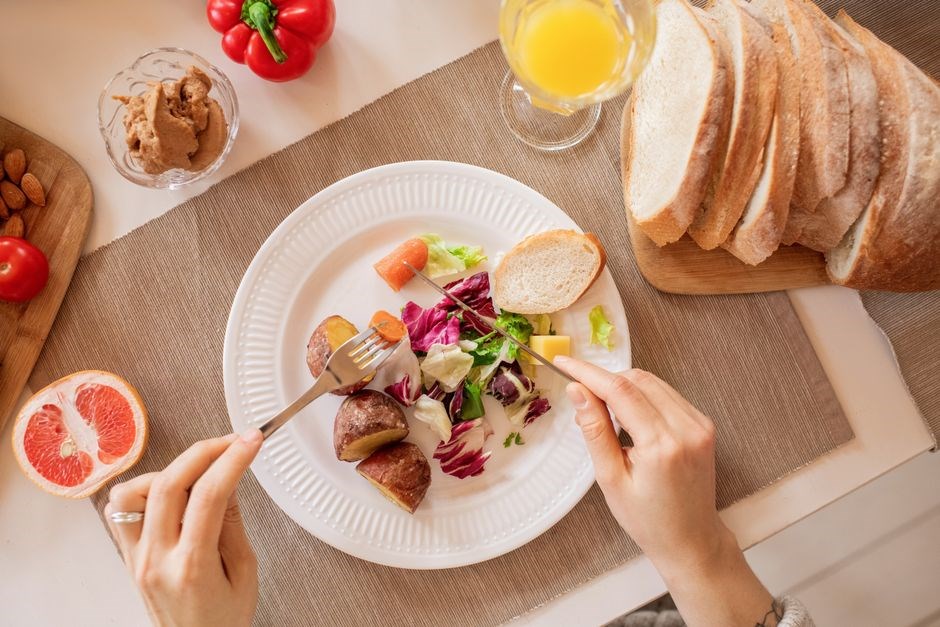
When snack time arrives‚ pick options that soothe the esophagus and keep acid low. A plain Greek yogurt topped with honey and cinnamon offers protein‚ calcium‚ and gentle sweetness. A banana with a handful of unsalted almonds supplies potassium and healthy fats. A bowl of oatmeal‚ cooked in water or oat milk‚ can be sweetened with maple syrup and a dash of nutmeg. Rice cakes spread with avocado and sea salt give a crunchy‚ neutral base. Hummus made from chickpeas‚ tahini‚ and olive oil pairs with sliced cucumber‚ carrot sticks‚ or bell pepper strips—vegetables that are mild. For a protein‑rich snack‚ roll turkey breast around cucumber or spinach and secure with a toothpick. A small portion of low‑fat cottage cheese mixed with diced peaches (peeled to reduce acidity) offers a creamy texture. A small bowl of sliced strawberries with a dollop of whipped cream adds sweetness without acidity. Dried apricots soaked in water can be a treat. A cup of chamomile tea‚ brewed without sugar‚ helps calm the stomach. These options give variety while maintaining digestion. These snacks are easy to prepare‚ portable‚ and designed to keep reflux at bay‚ allowing you to enjoy a calm‚ comfortable evening. Enjoy these snacks throughout the week to keep your reflux symptoms under control and feel refreshed. Stay hydrated.
Foods to Avoid During the Week
Avoid spicy sauces‚ hot peppers‚ and chili powders that can irritate the esophageal lining. Steer clear of citrus fruits like oranges‚ grapefruits‚ lemons‚ and limes‚ as well as tomato-based products such as ketchup‚ salsa‚ and pasta sauces. Reduce intake of caffeinated beverages‚ including coffee‚ black tea‚ and energy drinks‚ which stimulate acid production. Alcoholic drinks‚ especially beer‚ wine‚ should be limited or eliminated. High-fat fried foods‚ such as french fries‚ fried chicken‚ and doughnuts‚ can relax the lower esophageal sphincter. Processed meats like bacon‚ sausage‚ and deli meats contain nitrates and spices that trigger reflux. Carbonated sodas and sparkling waters introduce gas that may worsen symptoms. Chocolate‚ mint‚ and peppermint candies can also relax the sphincter and should be avoided. Finally‚ large‚ heavy meals and late-night eating should be skipped to prevent nighttime reflux. Additionally‚ avoid eating large meals within two hours of bedtime‚ as lying down soon after eating can increase reflux episodes. Keep a food diary to identify personal triggers‚ noting portion sizes‚ meal times‚ and symptom severity. Gradual dietary adjustments‚ such as adding more fiber and lean proteins can reduce acid. today
Foods to Include for Symptom Relief
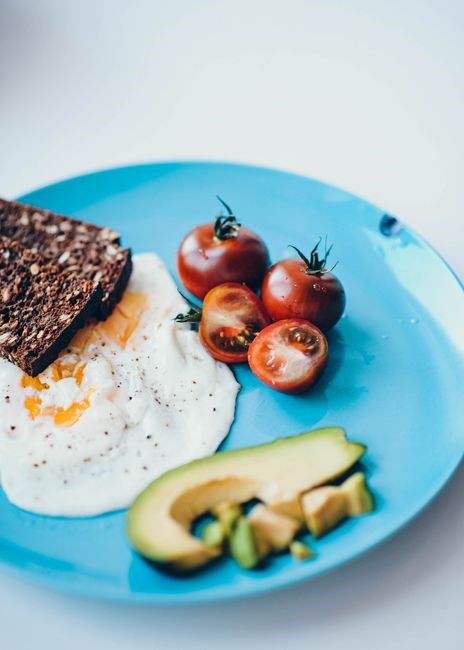
Incorporate bland‚ low‑acid foods that soothe the stomach lining and reduce reflux. Start the day with oatmeal topped with sliced bananas or applesauce‚ and add a drizzle of honey for natural sweetness. Whole‑grain toast with a light spread of avocado or a small portion of low‑fat Greek yogurt provides gentle protein and healthy fats. For lunch‚ choose grilled chicken or turkey breast served with steamed green beans‚ carrots‚ and a side of brown rice or quinoa. A vegetable‑based soup‚ such as butternut squash or carrot‑ginger‚ offers hydration and fiber without triggering acidity. Dinner can feature baked or poached fish like cod or tilapia‚ paired with sautéed spinach‚ zucchini‚ and a small baked sweet potato. Snacks that help neutralize acid include a handful of almonds‚ a slice of melon‚ or a smoothie made from kefir‚ frozen berries‚ and a splash of almond milk. Herbal teas such as chamomile or ginger tea are soothing and can be consumed after meals. Additionally‚ incorporating probiotic‑rich foods like sauerkraut or miso soup supports gut health and may improve digestion. Staying hydrated with water throughout the day and chewing food thoroughly also helps reduce reflux episodes. These choices are dietitians for their low‑acid‚ low‑fat profiles and ability to calm the esophagus!!

Practical Tips for Using the Printable PDF
Download the PDF‚ print on good paper‚ and fold into a weekly planner. Use sticky notes for meal prep reminders‚ highlight favorite recipes‚ and keep a symptom log beside each day to track progress. now
Meal Prepping with the Planner
Meal prepping with the printable PDF is a game‑changer for anyone battling acid reflux. Start by printing the weekly layout and placing it on a wall or in a kitchen drawer where you’ll see it daily. On a chosen prep day—ideally a weekend morning—scan the planner’s breakfast‚ lunch‚ dinner‚ and snack boxes to decide which meals you’ll cook in bulk. Focus on low‑acid‚ low‑fat proteins such as baked chicken breast‚ poached cod‚ or a hearty lentil stew‚ and pair them with gentle grains like quinoa or oatmeal. Use a food thermometer to ensure meats reach 165°F‚ and let them cool before dividing into portion‑sized containers. Label each container with the meal name‚ date‚ and a quick note like “reheat in 30 seconds” or “add fresh herbs.” For snacks‚ pre‑portion servings of plain yogurt‚ sliced banana‚ or homemade granola bars‚ and store them in a separate drawer to keep them fresh. Keep a small notebook or a sticky‑note pad beside the planner to jot down any reflux triggers you notice after each meal; this will help you refine the plan over time. When the week rolls around‚ simply reheat the pre‑made dishes‚ add a splash of olive oil or a drizzle of lemon‑free dressing‚ and enjoy a stress‑free‚ reflux‑friendly dinner.Feel relief‚ breathe deeply‚ smile today! ok
Customizing the Plan to Your Preferences
Personalizing a printable 7‑day acid reflux diet PDF begins with identifying your unique triggers and flavor preferences. Start by reviewing each meal slot in the planner and marking foods you know cause discomfort—such as tomatoes‚ citrus‚ or spicy sauces—so you can swap them for gentler alternatives. Use the “Swap” column to jot down low‑acid substitutes: replace a tomato‑based pasta sauce with a creamy‚ dairy‑free sauce made from blended cashews‚ or swap a citrus‑drizzled salad for a cucumber‑mint mix. If you enjoy a bit of spice‚ opt for mild paprika or turmeric rather than hot chili. For protein‚ rotate between baked chicken‚ poached fish‚ plant‑based options like chickpea patties to keep variety high while staying reflux‑friendly. Adjust portion sizes by consulting “Serving Size” guide: if you feel full after a small bowl of oatmeal‚ increase the grain portion slightly. Remember to keep the “Snack” section flexible—swap a banana for a handful of almonds if you prefer a crunchy texture. Finally‚ schedule a weekly review: after each week‚ note which meals worked best and which caused symptoms‚ then tweak the next week’s planner accordingly. This iterative process ensures the diet remains both soothing enjoyable‚ aligning with your lifestyle taste buds.
Tracking Symptoms and Adjusting Portions
Maintaining a symptom log is essential for tailoring a printable 7‑day acid reflux diet PDF to your body’s signals. Use the dedicated “Symptom Tracker” column in the planner to note heartburn intensity‚ regurgitation frequency‚ and any post‑meal discomfort on a scale of 1‑10. Pair each entry with the meal consumed‚ allowing you to identify specific foods that trigger flare‑ups. If a particular lunch causes a spike‚ reduce the portion size or replace the protein with a choice like steamed fish. Conversely‚ if a snack keeps symptoms low‚ consider increasing its portion or adding a complementary low‑acid fruit. Adjusting portions should be gradual: increase by no more than 25% to avoid overloading the stomach. Record the changes in the “Portion Adjustment” column‚ then monitor symptom scores over the next few days. This iterative approach ensures that the diet remains both effective and enjoyable‚ while the printable PDF serves as a flexible reference that evolves with your progress.
By consistently logging each meal’s impact‚ you create a personalized evidence‑based roadmap that empowers you to make informed dietary choices‚ reduce reliance on medication‚ and ultimately reclaim a life free from the constant worry of reflux flare‑ups. Your journey starts today.Thrive!
Storing and Sharing the PDF
After downloading the printable 7‑day acid reflux diet PDF‚ organize it in a dedicated folder or cloud storage. Label the file clearly—“GERD_7Day_Plan_2026.pdf”—for easy access. For physical copies‚ use a durable binder or spiral notebook. Store the binder in a cool‚ dry place away from sunlight to preserve paper. Convert the PDF to searchable format with OCR for quick notes and section highlighting.
Share the plan with healthcare providers or loved ones by attaching the PDF to an email or uploading it to a secure cloud service. Set sharing permissions to “view only” for privacy. When sharing with a dietitian‚ add personalized meal suggestions and local grocery lists. Include a brief symptom summary and any adjustments made for targeted feedback. Keep backup copies on an external drive or USB stick. Remember to print a copy for quick reference during meals and keep a digital backup on a USB drive for portability. Store the PDF in a cloud folder to access it daily device!!
Print the PDF on high‑quality paper to reduce glare and improve readability. Use a printer that supports duplex printing and choose a matte finish to prevent fingerprints. By maintaining a well‑organized digital and physical archive‚ you’ll keep the diet plan accessible and ready for future adjustments.