
Manual Transmission Kicks Out of Gear: A Comprehensive Guide
Understanding a manual transmission unexpectedly disengaging requires a detailed examination of potential causes, ranging from clutch wear to internal gear damage.
This guide provides
insight into diagnosing and addressing this frustrating issue, ensuring a smoother and more reliable driving experience.
Understanding Transmission Slipping
Transmission slipping, a concerning symptom in both automatic and manual vehicles, signifies an inability of the gearbox to maintain a consistent connection between the engine and the wheels. In a manual transmission, this manifests as the engine revving higher than expected without a corresponding increase in vehicle speed, or the sensation of the gear unexpectedly disengaging – effectively “kicking out”.
This occurs because the power generated by the engine isn’t fully transferred to the drivetrain. While often associated with low transmission fluid in automatics, in manual transmissions, a worn clutch is frequently the primary culprit. The clutch’s role is to engage and disengage the engine from the transmission, and when it wears, it can’t maintain a firm grip.
Slipping can be particularly noticeable during acceleration or when climbing hills, as the engine works harder. Ignoring this issue can lead to further damage, potentially requiring a complete transmission rebuild or clutch replacement. Early detection and diagnosis are crucial for preventing more extensive and costly repairs. It’s a hydraulic system, and fluid levels are important.
What Does It Mean When a Manual Transmission “Kicks Out”?
When a manual transmission “kicks out” of gear, it signifies a sudden and unintended disengagement between the engine and the wheels while you are still attempting to maintain a specific gear. This results in a momentary loss of power, often accompanied by a noticeable drop in engine RPMs, and can feel like the vehicle briefly shifts into neutral. It’s essentially the transmission slipping out of gear unexpectedly.
This isn’t a normal function; it indicates the transmission isn’t holding the gear it should be. The gearbox is unable to completely transmit the power being provided by the engine. This can happen during acceleration, deceleration, or even while maintaining a constant speed. A common cause is a failing clutch, unable to maintain a firm connection.
Other potential issues include problems within the transmission itself, such as worn synchronizers or damaged gears. It’s a sign that the system isn’t functioning as intended and requires investigation to prevent further damage and ensure safe operation. Ignoring this symptom can lead to complete transmission failure.
Common Symptoms of a Slipping Manual Transmission
Recognizing the signs of a slipping manual transmission is crucial for timely intervention. The most prominent symptom is the sensation of the vehicle unexpectedly shifting out of gear, often accompanied by a surge in engine RPMs without a corresponding increase in speed. This “kicking out” can occur during acceleration, deceleration, or even while cruising at a constant velocity.
Other telltale signs include difficulty shifting into certain gears, grinding noises when attempting to change gears, and a general feeling of sluggishness or lack of power. You might also notice unusual vibrations or shuddering, particularly when starting from a standstill or climbing hills. A burning smell could indicate excessive clutch wear.
Delayed acceleration is another common indicator; the engine revs, but the vehicle doesn’t respond promptly; Ignoring these symptoms can lead to more severe and costly repairs, potentially resulting in complete transmission failure. Prompt diagnosis and repair are essential to maintain vehicle safety and performance.
The Role of the Clutch in Manual Transmissions
The clutch is the critical link between the engine and the transmission in a manual vehicle, responsible for smoothly transferring power and allowing gear changes. It engages and disengages the engine from the drivetrain, enabling the driver to select the appropriate gear ratio for varying speeds and driving conditions. When functioning correctly, the clutch provides a firm and consistent connection.
However, a worn or damaged clutch is a primary culprit behind a manual transmission “kicking out of gear;” The clutch relies on friction to transmit torque; as the friction material wears down, its ability to maintain a solid connection diminishes. This leads to slippage, where the engine spins independently of the transmission, resulting in lost power and the sensation of gears disengaging.
Essentially, the gearbox is unable to completely transmit the power provided by the engine. A failing clutch can’t fully engage, causing intermittent power transfer and the characteristic “slipping” or “kicking out” sensation. Regular inspection and timely replacement of the clutch are vital for maintaining optimal transmission performance.
Worn Clutch: The Primary Culprit
A worn clutch is overwhelmingly the most frequent cause of a manual transmission unexpectedly disengaging or “kicking out” of gear. Over time, the friction material on the clutch disc gradually wears down due to repeated engagement and disengagement during gear changes. This wear reduces the clutch’s ability to firmly grip the flywheel, leading to slippage.
When the clutch disc loses sufficient friction, it can no longer effectively transfer engine power to the transmission. This manifests as a sensation of the engine revving higher without a corresponding increase in vehicle speed, or the transmission seemingly slipping out of gear. The power produced by the engine doesn’t reach the wheels consistently.
Factors like aggressive driving habits, frequent stop-and-go traffic, and towing heavy loads accelerate clutch wear; Identifying a worn clutch early is crucial; continued operation can cause further damage to the flywheel and other transmission components, escalating repair costs. Regular inspection and proactive replacement are key to preventing transmission issues.
Clutch Cable Issues and Adjustment
If your manual transmission is experiencing issues with kicking out of gear, a malfunctioning or improperly adjusted clutch cable is a significant potential cause. The clutch cable is responsible for transmitting the force from the clutch pedal to the clutch fork, which in turn disengages the clutch.
Over time, clutch cables can stretch, fray, or become damaged, leading to insufficient clutch disengagement. This incomplete disengagement prevents smooth gear changes and can cause the transmission to slip or pop out of gear. Proper clutch pedal free play is essential; too little free play can cause the clutch to drag, while too much can prevent full disengagement.
Adjusting the clutch cable ensures the correct amount of travel and engagement. A mechanic can accurately assess the cable’s condition and adjust it accordingly. If the cable is severely damaged or worn, replacement is necessary. Ignoring clutch cable issues can lead to further transmission damage and a compromised driving experience.
Master and Slave Cylinder Problems
When a manual transmission repeatedly kicks out of gear, hydraulic issues within the clutch system – specifically problems with the master and slave cylinders – often play a crucial role. These cylinders are integral to transferring force from the clutch pedal to the clutch fork, enabling gear changes.
The master cylinder, activated by the clutch pedal, creates hydraulic pressure. This pressure is then sent through a line to the slave cylinder, which physically moves the clutch fork. Leaks within either cylinder, or a failure of the internal seals, can result in insufficient pressure. This leads to incomplete clutch disengagement, causing difficulty shifting and the transmission to slip or pop out of gear.
Symptoms include a spongy clutch pedal feel, difficulty engaging gears, and a low clutch pedal. Thorough inspection for leaks and proper functioning is vital. Replacement of either the master or slave cylinder, or both, is often necessary to restore proper clutch operation and resolve the gear-kicking issue.
Low Transmission Fluid (Though Less Common in Manuals)
While less frequent in manual transmissions compared to automatics, insufficient transmission fluid can contribute to gear-kicking issues. Manual transmissions still rely on fluid to lubricate gears and synchronize movements, ensuring smooth operation. A low fluid level diminishes this lubrication, increasing friction and wear between components.
Although a significant leak is usually required to cause a noticeable drop in fluid level within a manual system, it’s still a potential culprit. Reduced lubrication can lead to difficulty shifting, grinding noises, and the sensation of the transmission momentarily disengaging or “kicking out” of gear. This is because the gears aren’t gliding smoothly together.
It’s crucial to check the fluid level using the designated fill plug, ensuring the vehicle is on a level surface. Top up with the correct fluid type (see section on fluid compatibility). However, simply adding fluid doesn’t address the underlying cause of the leak, which must be identified and repaired to prevent recurrence and further damage.
Transmission Fluid Type and Compatibility
Selecting the correct transmission fluid is paramount for optimal manual transmission performance and longevity. Unlike automatic transmissions with specific, often proprietary fluids, manual transmissions generally utilize gear oil, but even within this category, variations exist. Using the wrong fluid can lead to poor shifting, increased wear, and even contribute to the sensation of the transmission “kicking out” of gear.
Most manuals require a GL-4 or GL-5 gear oil, differing in their additive packages. GL-5 offers enhanced extreme pressure protection, suitable for heavier-duty applications, but may corrode brass or bronze synchronizers in some older transmissions. Always consult your vehicle’s owner’s manual or a trusted repair source to determine the precise fluid specification.
Synthetic gear oils offer superior thermal stability and lubrication compared to conventional oils, potentially extending transmission life. However, mixing different fluid types can be detrimental; a complete flush and refill are recommended when switching. Incompatibility can cause fluid breakdown, leading to sludge formation and compromised lubrication, exacerbating shifting problems.
Internal Transmission Damage: Gear Wear
Significant internal damage within the manual transmission itself can manifest as gears “kicking out,” though this is typically a later-stage symptom. Over time, constant meshing and high loads cause gear teeth to wear, losing their precise profiles. This wear creates excessive play, preventing complete engagement and allowing the gears to slip under power, resulting in a disengagement sensation.
Worn gears don’t transmit power efficiently, leading to lost motion and noise. The gearbox is unable to completely transmit the power provided by the motor. This is often more noticeable during acceleration or when applying significant torque. Debris from the worn teeth can also circulate, accelerating wear on other components like bearings and synchronizers.
Identifying gear wear usually requires a professional transmission inspection. A mechanic will disassemble the transmission to visually assess the gear teeth for rounding, pitting, or chipping. Severe gear wear necessitates a complete transmission rebuild or replacement, as individual gear replacement is often impractical and doesn’t address underlying issues causing the initial wear.
Synchro Ring Failure and Its Effects
Synchronizer rings, or “synchros,” are crucial for smooth gear changes in a manual transmission. Their role is to match the speed of the gear being selected with the output shaft speed, preventing grinding and allowing for seamless engagement. When synchro rings fail, they can cause the transmission to “kick out” of gear, particularly during quick or forceful shifts.
A failing synchro doesn’t effectively equalize speeds, leading to resistance when attempting to engage a gear. This resistance can overcome the driver’s force, causing the shifter to pop out of gear, or the gear may briefly engage then disengage. Symptoms often present as difficulty shifting into specific gears, grinding noises, or a “mushy” feel during shifting.
Worn or damaged synchro rings are a common issue, especially in high-mileage vehicles or those subjected to aggressive driving. Diagnosis involves inspecting the synchro rings for wear, scoring, or breakage during a transmission disassembly. Replacement typically requires a transmission rebuild, as access to the synchros necessitates opening the transmission case.
Shift Linkage Problems: Loose or Damaged Components
The shift linkage is the system connecting the gear shifter to the transmission itself. It comprises rods, bushings, and pivot points, all working in unison to translate driver input into gear selection. Problems within this linkage can manifest as the transmission “kicking out” of gear, or difficulty selecting the desired gear consistently.
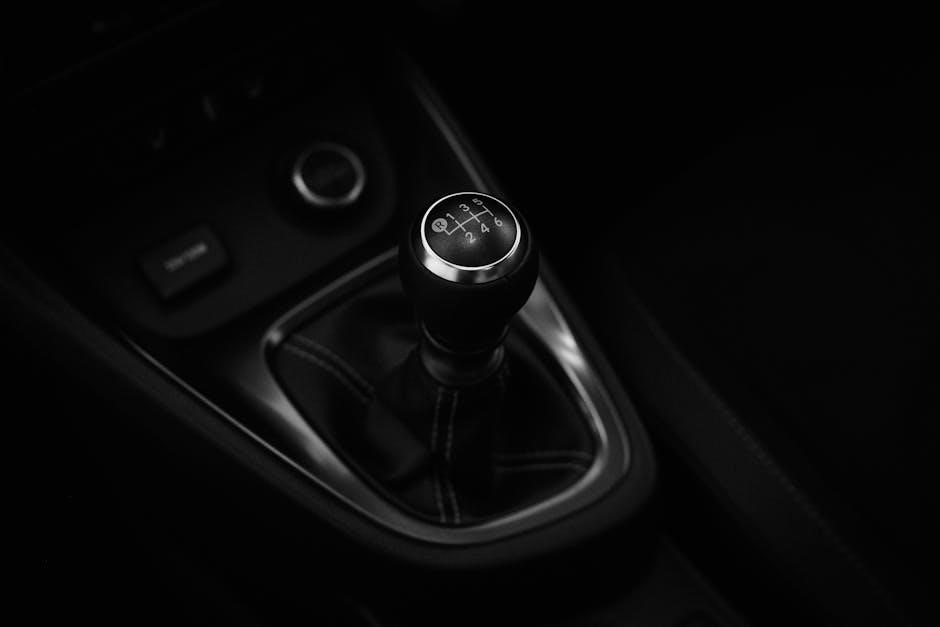
Loose components, such as worn bushings or slack in the linkage rods, create excessive play. This play allows for imprecise gear engagement, potentially causing the shifter to move freely or disengage from the selected gear under load. Damaged linkage components, like bent rods or broken pivot balls, can further exacerbate these issues.
Diagnosing linkage problems involves a thorough visual inspection for wear, damage, and looseness. Checking for play in the shifter itself and along the linkage path is crucial. Repair often involves replacing worn bushings, tightening connections, or replacing damaged components. Correct adjustment of the linkage is also vital for proper operation and preventing gear disengagement.
Troubleshooting: Initial Inspection Steps
When a manual transmission begins “kicking out” of gear, a systematic approach to troubleshooting is essential. Begin with a visual inspection under the vehicle, looking for any obvious signs of damage or leaks around the transmission itself. Check for loose or broken components related to the shift linkage – rods, bushings, and connections.
Inside the vehicle, assess the clutch pedal’s feel. Is it spongy, stiff, or does it engage smoothly? Note any unusual noises during clutch operation. A preliminary check of the clutch pedal free play is vital; incorrect adjustment can mimic transmission issues. Inspect the shifter for excessive play or looseness, indicating potential linkage problems.
Furthermore, a quick check of the transmission fluid level, though less common for issues in manual transmissions, is worthwhile. While not as critical as in automatics, low fluid can contribute to internal wear. Document all observations, as these initial steps will guide further, more in-depth diagnostics;
Checking Clutch Pedal Free Play
Proper clutch pedal free play is crucial for smooth engagement and disengagement, and a misadjusted pedal can certainly contribute to a transmission feeling like it’s “kicking out” of gear. Free play refers to the distance the pedal travels before it begins to engage the clutch.
To check this, with the engine off, fully depress the clutch pedal and note the position. Then, slowly release it, observing where resistance begins. Typically, there should be between ½ to 1 inch of free play. If there’s insufficient free play, the clutch may not fully disengage, causing difficulty shifting and potentially mimicking a slipping or kicking-out sensation.
Adjustment usually involves turning an adjusting screw on the clutch cable (if equipped) or, in hydraulic systems, checking for proper master cylinder stroke. Incorrect adjustment can lead to premature wear of clutch components and exacerbate transmission issues. Consult your vehicle’s repair manual for specific free play specifications and adjustment procedures.
Visual Inspection of Clutch Components
A thorough visual inspection of the clutch components is a vital step in diagnosing why a manual transmission might be “kicking out” of gear. This requires removing the transmission or accessing the clutch through an inspection cover, depending on the vehicle.
Focus on the clutch disc’s friction material – look for excessive wear, glazing, or uneven patterns. A worn disc struggles to grip the flywheel, leading to slippage and the sensation of gear disengagement. Inspect the pressure plate for heat cracks, warped surfaces, or damaged springs. These defects compromise clamping force.

Also, examine the flywheel for scoring, heat spots, or cracks. A damaged flywheel surface prevents proper clutch engagement. Check the clutch cable (if applicable) for fraying, kinks, or corrosion. Hydraulic systems should be inspected for leaks around the master and slave cylinders. Any visible damage suggests component replacement is necessary to restore reliable transmission operation.
Transmission Fluid Level Check (Manual Transmission)
While less common than in automatic transmissions, checking the fluid level in a manual transmission is still a crucial diagnostic step when experiencing gear “kicking out”. Most manual transmissions are sealed units, but many have a fill plug to allow for fluid level inspection and topping off.
Locate the fill plug, typically on the side of the transmission case. With the vehicle on level ground, carefully remove the plug. Fluid level should be right at the base of the fill hole – a finger test is often sufficient. If the level is low, add the manufacturer-recommended gear oil until it reaches the correct height.
Pay attention to the fluid’s condition. It should be clean and free of metallic particles. Milky or contaminated fluid indicates internal damage, potentially contributing to gear disengagement. Remember, proper fluid level and condition are essential for lubrication and smooth operation, preventing premature wear and slippage.
Diagnostic Tools for Manual Transmission Issues
Accurately diagnosing why a manual transmission “kicks out” often requires more than a visual inspection. Several diagnostic tools can pinpoint the source of the problem, aiding in effective repair. A basic OBD-II scanner can detect some transmission-related trouble codes, though manual transmissions generate fewer codes than automatics.
A stethoscope is invaluable for listening to the transmission while operating, helping identify unusual noises like whining or grinding, which could indicate gear or bearing wear. A compression tester can assess engine health, as engine issues can sometimes mimic transmission problems.
For more in-depth analysis, a professional mechanic may utilize specialized tools like a transmission fluid analyzer to check for metal particles or contamination. Ultimately, a thorough diagnosis, combining visual inspection with appropriate tools, is crucial for determining the root cause and implementing the correct repair strategy, saving time and money.
Professional Diagnosis and Repair
When self-diagnosis reaches its limits, seeking a qualified mechanic is essential. A professional possesses the expertise and specialized tools to accurately pinpoint the cause of a manual transmission kicking out of gear. They’ll perform a comprehensive inspection, including fluid analysis, clutch component assessment, and internal transmission examination.
Repair options vary significantly based on the diagnosis. A worn clutch typically requires replacement, involving removing the transmission and installing a new clutch kit. Internal transmission damage, such as worn gears or failed synchros, may necessitate a complete transmission rebuild or replacement – a more substantial and costly undertaking.
Experienced technicians can also accurately assess shift linkage components and hydraulic systems (if applicable). Choosing a reputable shop with experience in manual transmissions ensures the repair is performed correctly, restoring your vehicle’s performance and reliability. Don’t hesitate to request a detailed estimate before authorizing any work.
Cost of Repair: Clutch Replacement vs. Transmission Rebuild
The financial impact of repairing a manual transmission that’s kicking out of gear can vary dramatically. A clutch replacement, often the primary solution, typically ranges from $800 to $2,500, encompassing parts (clutch kit, potentially flywheel resurfacing) and labor. Costs fluctuate based on vehicle make and model, and regional labor rates.
A transmission rebuild, addressing internal damage like worn gears or synchros, is considerably more expensive. Expect to pay between $1,500 and $4,000 or even higher, depending on the extent of the damage and the transmission’s complexity. This price includes disassembly, parts replacement, and reassembly.
Complete transmission replacement with a new or remanufactured unit can fall within a similar price range as a rebuild, sometimes offering a more reliable long-term solution. Obtaining multiple quotes from reputable shops is crucial for comparison; Remember that preventative maintenance, like regular fluid checks, can potentially avoid these costly repairs;
Preventative Maintenance for Manual Transmissions

Proactive maintenance is key to extending the life of your manual transmission and preventing frustrating issues like gear kick-out. While manual transmissions are generally robust, neglecting them can lead to premature wear and costly repairs. Regularly check your transmission fluid level, though less frequent than in automatics, and inspect for leaks.
Fluid changes, typically every 30,000 to 60,000 miles (consult your owner’s manual), are vital. Using the correct fluid type is paramount; incompatibility can cause significant damage. Pay attention to your clutch pedal feel – changes can indicate wear. Inspect the clutch cable (if applicable) for fraying or damage.
Smooth driving habits, avoiding aggressive shifting and “riding” the clutch, significantly reduce stress on the transmission components. Address any unusual noises or vibrations promptly. Early detection of minor issues can prevent them from escalating into major, expensive problems. Consistent care ensures a reliable and enjoyable driving experience;
Driving Habits to Prolong Transmission Life
Your driving style profoundly impacts the longevity of your manual transmission. Avoid harsh and rapid acceleration, as this puts excessive strain on the gears and clutch. Minimize “riding the clutch,” which involves partially depressing the pedal for extended periods – this causes accelerated wear. Smooth, deliberate shifts are crucial; avoid slamming into gear.
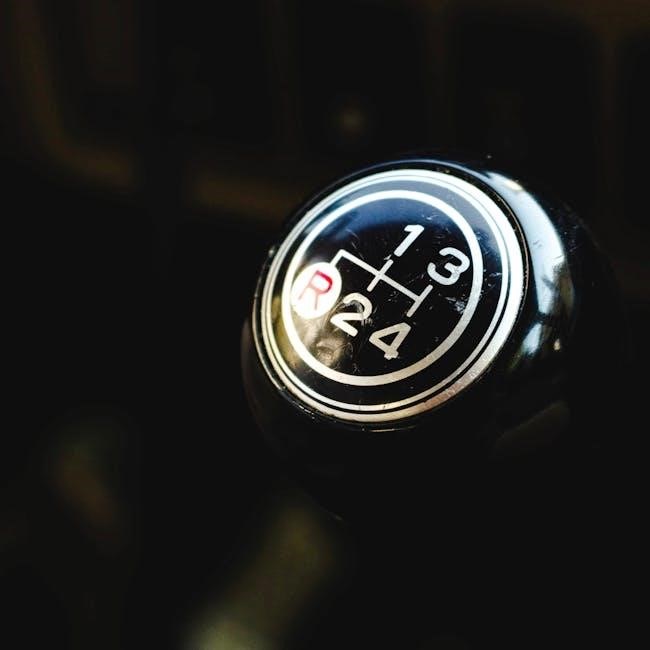
Downshifting appropriately for engine braking reduces stress on the transmission during deceleration. Refrain from using the clutch to hold the vehicle on hills; utilize the handbrake instead. Avoid aggressive launches and “power shifting” (shifting without fully depressing the clutch), as these habits generate significant heat and wear.
Anticipate traffic flow to minimize unnecessary shifting. Be mindful of the load on the vehicle; heavier loads require more careful shifting. Gentle clutch engagement and disengagement contribute to a smoother, longer-lasting transmission. Prioritizing these habits will significantly reduce the risk of issues like gear kick-out.