Tesco prioritizes employee wellbeing through comprehensive manual handling guidelines, focusing on four core principles․ These principles aim to minimize risks, utilizing technology and training, ensuring a safe working environment for all staff members․
The Importance of Safe Manual Handling at Tesco
Safe manual handling is paramount at Tesco, directly impacting employee health, wellbeing, and productivity․ Implementing robust procedures minimizes musculoskeletal disorders (MSDs) – a leading cause of workplace absence․ Tesco’s commitment extends beyond legal compliance; it fosters a culture where safety is ingrained in every task․
The four core principles – risk assessment, reducing the need for handling, safe lifting techniques, and comprehensive training – are interconnected․ Ignoring even one principle elevates the risk of injury․ Utilizing mechanical aids, optimizing store layouts, and providing thorough training are vital investments․
Furthermore, a safe environment boosts morale and reduces costs associated with accidents and lost workdays․ Tesco recognizes that a healthy workforce is a productive workforce, and prioritizes preventative measures to safeguard its employees from harm during manual handling operations․
Overview of the Four Core Principles
Tesco’s manual handling strategy rests upon four foundational principles, designed to proactively mitigate risks․ Firstly, Risk Assessment involves identifying potential hazards and evaluating their severity․ Secondly, Reducing the Need focuses on minimizing manual effort through mechanical aids and optimized layouts․ This principle champions utilizing technology to lessen physical strain․
The third principle, Safe Lifting Techniques, emphasizes proper posture and body mechanics to prevent injuries during unavoidable lifts․ Finally, Training and Information ensures all employees understand the risks and possess the skills to handle tasks safely․
These principles aren’t isolated; they work synergistically․ Effective risk assessment informs the implementation of reduction strategies, while proper training reinforces safe lifting practices․ Tesco’s dedication to these core tenets demonstrates a commitment to a secure and healthy work environment for all personnel․

Principle 1: Risk Assessment
Tesco’s initial step involves thoroughly identifying manual handling hazards and evaluating potential risks to employee wellbeing, utilizing detailed procedures and documentation․
Identifying Manual Handling Risks in Tesco Environments
Tesco recognizes that manual handling risks are pervasive throughout its diverse operational environments․ Identifying these risks is paramount to proactive safety management․ Within stockrooms and warehouses, risks stem from lifting, carrying, and stacking goods, often involving repetitive movements and awkward postures․ On the shop floor, shelf stocking, merchandising, and handling customer purchases present unique challenges․
Deliveries and waste management also contribute significantly to potential hazards, requiring careful assessment of load weights, distances, and environmental factors․ A comprehensive risk identification process at Tesco involves detailed observation of tasks, employee consultation, and analysis of incident reports․ This systematic approach ensures that all potential hazards are identified and addressed effectively, contributing to a safer working environment for all employees․ Utilizing readily available manuals and guides further supports this process․
Assessing the Risk Factors: Load, Individual, Task, Environment
Tesco’s risk assessment meticulously evaluates four key factors: the Load itself (weight, size, shape, and center of gravity), the Individual (physical capabilities, training, and health), the Task (lifting distance, frequency, and posture), and the Environment (lighting, floor surfaces, and space constraints)․ Assessing the load involves determining if it’s too heavy, unwieldy, or unstable․
Individual assessment considers employee fitness and experience․ Task analysis focuses on minimizing awkward movements and excessive repetition․ Environmental factors are addressed by ensuring adequate lighting, clear pathways, and appropriate floor surfaces․ This holistic approach, supported by readily available manuals, allows Tesco to quantify risk levels and implement targeted control measures, prioritizing employee safety and wellbeing across all operations․
Tesco’s Risk Assessment Procedures & Documentation
Tesco employs a structured risk assessment process, beginning with hazard identification – pinpointing tasks involving manual handling․ Detailed documentation, accessible online and through internal safety guidelines, records these assessments․ Each assessment analyzes the Load, Individual, Task, and Environment, assigning a risk level (low, medium, high)․
Control measures, such as mechanical aids or revised work procedures, are documented alongside the assessment․ Regular reviews, triggered by incidents or changes in operations, ensure assessments remain current․ Tesco maintains records for auditing and training purposes, demonstrating commitment to safety․ Access to over a million free PDF manuals, including relevant HSE guidance, supports this process, ensuring comprehensive and compliant documentation․

Principle 2: Reducing the Need for Manual Handling
Tesco actively minimizes manual handling through mechanical aids like trolleys and conveyors, optimizing store layouts, and integrating automated systems for efficiency and safety․
Utilizing Mechanical Aids: Trolleys, Pallet Trucks, and Conveyor Belts
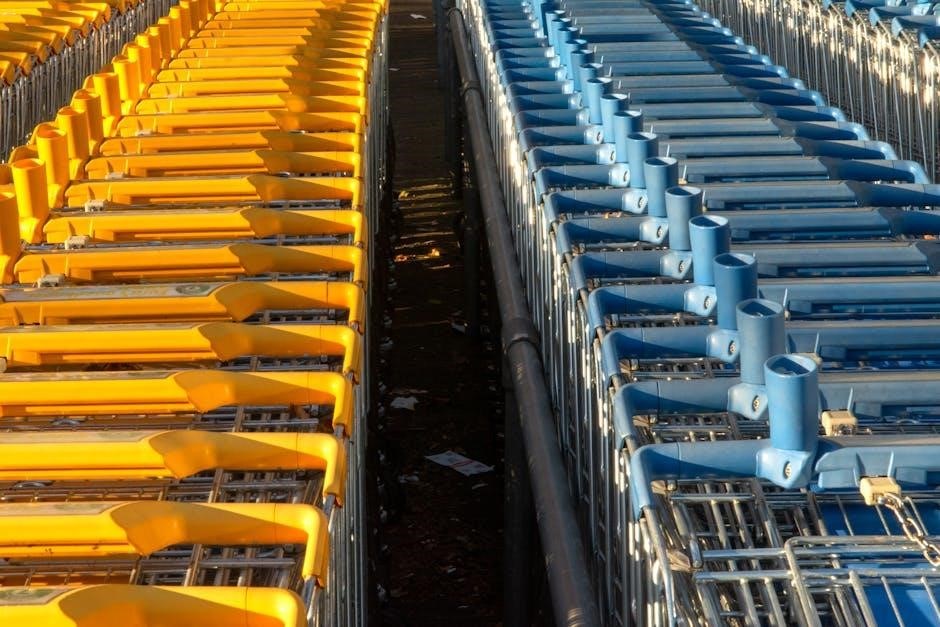
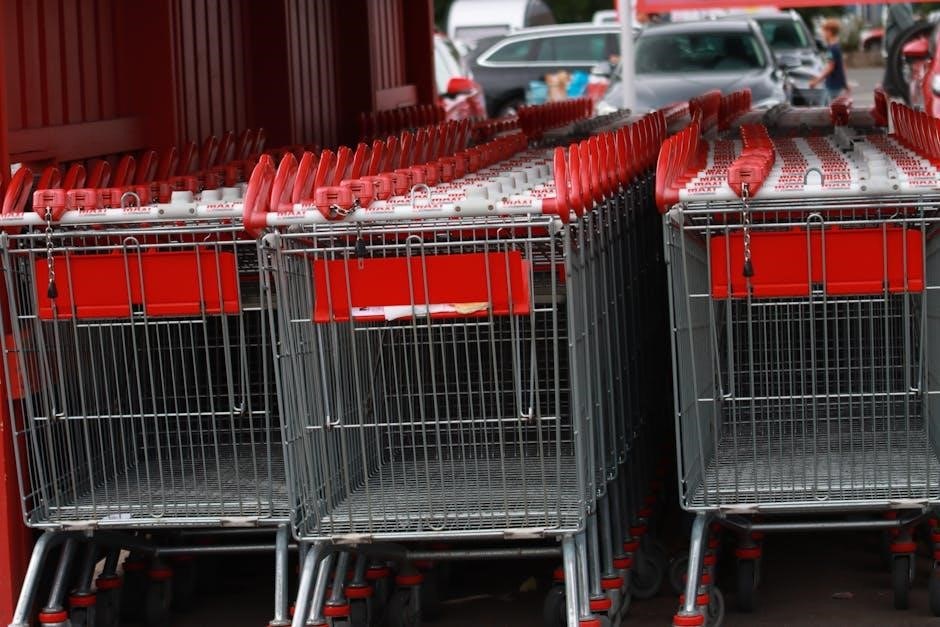
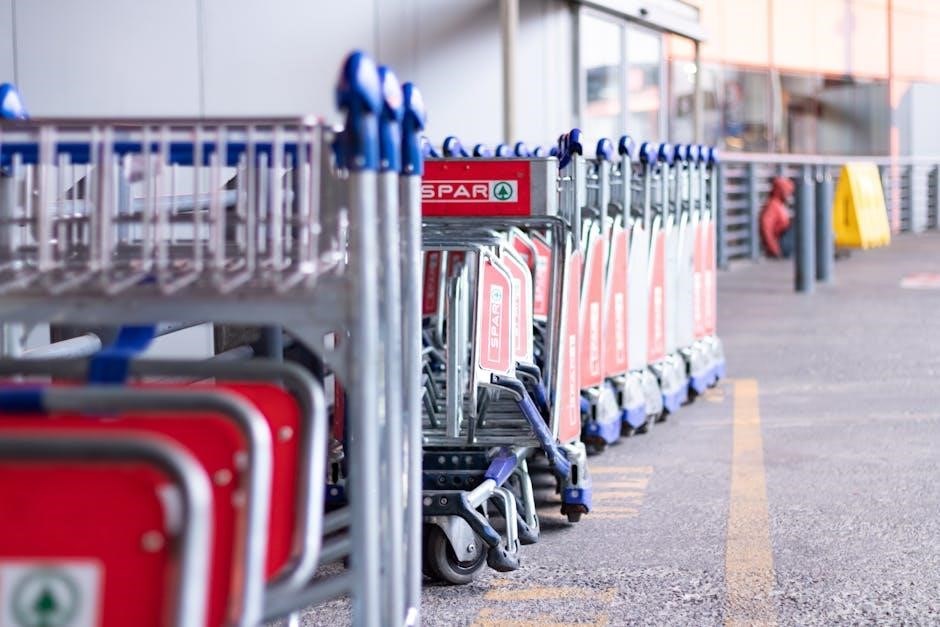
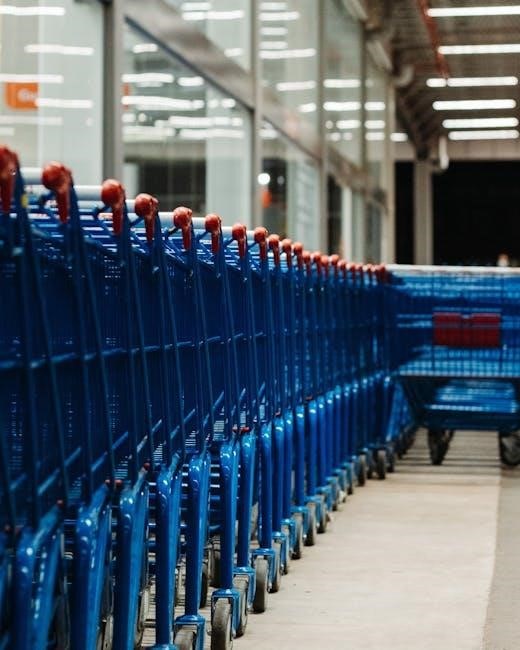
Tesco strategically employs a range of mechanical aids to significantly reduce the reliance on direct manual handling, prioritizing employee safety and operational efficiency․ Throughout its stockrooms, warehouses, and shop floors, trolleys are extensively used for moving goods, minimizing the need for carrying items over distances․ Pallet trucks facilitate the safe and easy movement of palletized loads, reducing strain and potential injuries associated with lifting heavy objects․
Furthermore, Tesco integrates conveyor belts into its systems, particularly during deliveries and in distribution centers, to automate the transfer of products, eliminating manual lifting and carrying altogether․ These aids aren’t simply tools; they represent a core component of Tesco’s commitment to proactive risk management․ Regular maintenance and employee training on the correct and safe operation of these mechanical aids are crucial, ensuring their continued effectiveness in preventing manual handling-related injuries and promoting a healthier work environment․
Optimizing Store Layout for Reduced Lifting and Carrying
Tesco actively optimizes its store layouts to minimize the physical demands placed on employees, directly supporting its manual handling principles․ This involves strategically positioning frequently moved items closer to dispatch areas and delivery points, reducing carrying distances and associated strain․ Shelf heights are carefully considered to minimize reaching and bending, promoting better posture during stock replenishment․
Furthermore, Tesco designs workflows to reduce unnecessary lifting․ For example, goods are often delivered directly to the shop floor in a manner that allows for immediate stocking, bypassing extensive handling in the back of house․ Aisles are designed to accommodate trolleys and pallet trucks, facilitating easier movement of goods․ This proactive approach to store design isn’t merely about convenience; it’s a fundamental element of Tesco’s dedication to creating a safer and more ergonomic working environment for its team members․
Automated Systems and Their Role in Minimizing Manual Handling
Tesco increasingly integrates automated systems to significantly reduce reliance on manual handling, aligning with its core safety principles․ Conveyor belts are utilized extensively in distribution centers and, increasingly, within larger stores, to move goods efficiently and minimize lifting․ Automated guided vehicles (AGVs) are deployed to transport pallets and stock, reducing the need for manual pallet truck operation․
Furthermore, Tesco explores robotic solutions for repetitive tasks like box stacking and sorting, further decreasing physical strain on employees․ These technologies aren’t intended to replace staff, but rather to reallocate them to roles requiring more skill and less physical exertion․ By embracing automation, Tesco demonstrates a commitment to not only enhancing efficiency but also prioritizing the health and wellbeing of its workforce, creating a safer and more sustainable working environment․
Principle 3: Safe Lifting Techniques
Tesco emphasizes proper posture, body mechanics, and understanding load characteristics for safe lifting․ Team lifting procedures are crucial when handling heavier or awkward items․
Proper Posture and Body Mechanics for Lifting
Tesco’s guidelines for safe lifting prioritize maintaining a neutral spine throughout the entire process․ Employees are instructed to plan the lift, ensuring a clear path and secure footing before commencing․ A firm grip, close to the body, is essential, minimizing the load’s distance from the center of gravity․
Bending at the knees and hips, rather than the back, is paramount, utilizing the stronger leg muscles to initiate the lift․ Keeping the back straight and avoiding twisting during the lift are critical to prevent strain․ As the load is lifted, it should be kept close to the body, maintaining control and balance․
Smooth, controlled movements are preferred over jerky or rushed actions․ When lowering the load, the same principles apply – bending the knees, keeping the back straight, and maintaining a firm grip․ Tesco emphasizes that employees should never attempt to lift a load that feels too heavy or awkward, and should always seek assistance when needed․
Understanding Load Characteristics: Weight, Size, and Center of Gravity
Tesco’s manual handling training stresses the importance of assessing load characteristics before any lift․ Determining the weight of an item is crucial; employees should never attempt to lift loads exceeding their capabilities․ The size and shape of the load impact handling ease and potential obstructions․ Awkwardly shaped loads require extra caution and potentially team lifting․
Understanding the center of gravity is vital for maintaining balance and control․ A load’s center of gravity dictates how it will shift during lifting and carrying․ Keeping the load close to the body minimizes strain and improves stability․ Unevenly distributed weight can create imbalances, increasing the risk of injury․
Tesco encourages employees to visually inspect loads for potential hazards, such as unstable contents or sharp edges․ Proper assessment of these characteristics informs safe lifting techniques and reduces the likelihood of manual handling incidents․
Team Lifting Procedures at Tesco
Tesco implements strict team lifting procedures for loads exceeding individual lifting capacity or posing significant handling challenges․ A designated team leader must be appointed to coordinate the lift, providing clear instructions and maintaining synchronized movements․ Communication is paramount; team members should verbally confirm readiness and signal any difficulties․
Before lifting, the team leader assesses the load’s weight, size, and potential hazards, assigning appropriate positions to each member․ Everyone must understand the planned lifting route and any obstacles․ Synchronized lifting requires a coordinated count – typically “one, two, lift” – ensuring simultaneous exertion of force․
Tesco emphasizes maintaining proper posture throughout the lift, with team members keeping their backs straight and lifting with their legs․ Regular communication during the carry ensures the load remains balanced and stable, minimizing strain and preventing injuries․

Principle 4: Training and Information
Tesco provides comprehensive manual handling training, covering risk awareness, safe techniques, and procedures․ Ongoing education and accessible resources empower employees to prioritize safety consistently․
Tesco’s Manual Handling Training Program Content
Tesco’s manual handling training program is meticulously designed to equip employees with the knowledge and practical skills necessary to perform tasks safely and efficiently․ The core curriculum begins with a detailed exploration of the four fundamental principles: risk assessment, reducing the need for manual handling, employing safe lifting techniques, and the importance of comprehensive training and information dissemination․
Participants learn to identify potential hazards within various Tesco environments – stockrooms, shop floors, and delivery areas – and to accurately assess risk factors related to the load, the individual, the task itself, and the surrounding environment․ Practical demonstrations and hands-on exercises reinforce proper lifting postures, body mechanics, and team lifting procedures․
Furthermore, the program emphasizes the utilization of mechanical aids like trolleys and pallet trucks, and how optimized store layouts can minimize the need for strenuous lifting and carrying․ Employees are also informed about Tesco’s internal safety guidelines, access to external resources like the HSE, and where to find relevant manuals and documentation․ The training aims to foster a proactive safety culture where employees understand their responsibilities and contribute to a secure working environment․
Refresher Training and Ongoing Education
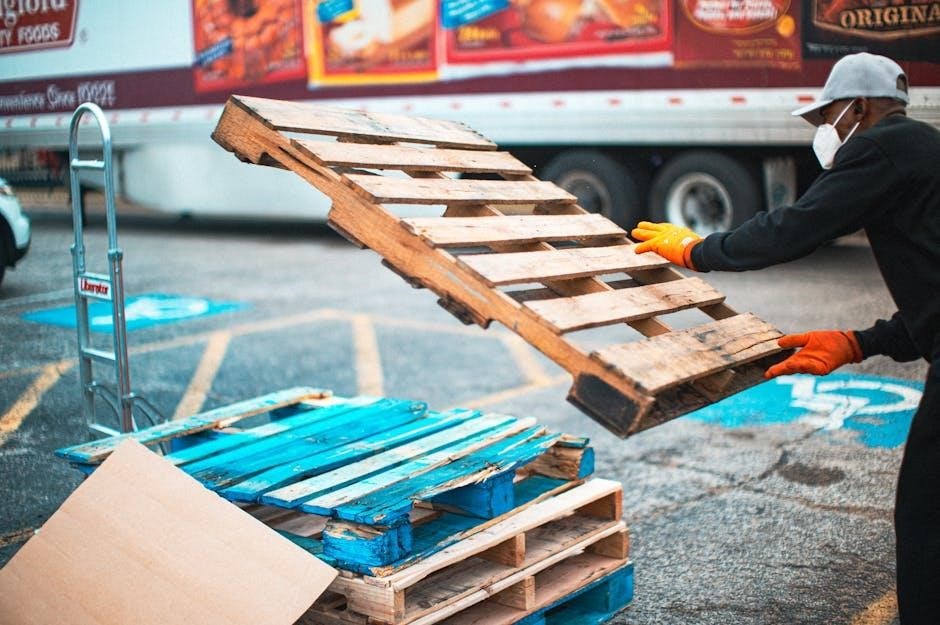
Tesco recognizes that maintaining manual handling safety requires continuous reinforcement, thus implementing a robust system of refresher training and ongoing education․ Periodic updates ensure employees remain current with best practices, evolving technologies, and any changes to Tesco’s internal safety protocols․ These sessions revisit the four core principles – risk assessment, reduction of manual handling needs, safe lifting techniques, and comprehensive training – reinforcing their practical application․
Refresher courses aren’t simply repetitions of initial training; they often incorporate real-life incident reviews, allowing teams to learn from past occurrences and proactively prevent future risks․ Emphasis is placed on recognizing new hazards and adapting safe handling procedures accordingly․
Tesco also leverages readily available resources, including online manuals and guides, to support continuous learning․ This commitment to ongoing education fosters a strong safety culture, empowering employees to prioritize wellbeing and contribute to a consistently secure working environment, ultimately minimizing the potential for manual handling-related injuries․
Employee Responsibilities Regarding Manual Handling Safety
Tesco employees share a crucial responsibility in upholding manual handling safety standards, built upon the foundation of the four core principles․ Each individual is expected to actively participate in risk assessments, identifying and reporting potential hazards within their work areas․ Proactively reducing the need for manual handling – utilizing available mechanical aids and optimized layouts – is paramount․
Furthermore, employees must consistently apply safe lifting techniques, prioritizing proper posture and body mechanics․ A commitment to ongoing training and information absorption is essential, ensuring they remain knowledgeable about Tesco’s procedures and best practices․
Reporting any incidents, near misses, or unsafe conditions is not only a requirement but a vital contribution to a safer workplace․ By embracing these responsibilities, Tesco employees collectively contribute to a culture of safety, minimizing risks and protecting their wellbeing and that of their colleagues․

Specific Tesco Environments & Manual Handling
Tesco applies manual handling principles across diverse areas – stockrooms, shop floors, deliveries, and waste management – adapting procedures to each unique environment and task․
Manual Handling in Stockrooms and Warehouses
Tesco’s stockrooms and warehouses present significant manual handling challenges, demanding strict adherence to safety protocols․ The core principles – risk assessment, reduction of need, safe lifting, and training – are paramount here․ Loads are frequently heavy and bulky, requiring thorough risk assessments to identify potential hazards like uneven stacking or awkward pallet configurations․
Mechanical aids, such as pallet trucks and conveyor belts, are extensively utilized to minimize manual lifting and carrying․ Optimized layouts reduce travel distances and the need for repetitive movements․ Employees receive comprehensive training on proper lifting techniques, emphasizing posture and body mechanics, alongside team lifting procedures for exceptionally heavy items․ Regular refresher courses reinforce these skills․
Furthermore, Tesco emphasizes reporting procedures for any potential risks or incidents, fostering a proactive safety culture within these high-activity environments․ Continuous improvement initiatives aim to further automate processes and enhance ergonomic designs, reducing the reliance on manual handling altogether․
Manual Handling on the Shop Floor: Shelf Stocking and Merchandising
Tesco’s shop floor demands careful manual handling during shelf stocking and merchandising, applying the four core principles․ Risk assessments identify hazards like repetitive reaching, bending, and twisting, particularly when stocking high shelves or creating displays․ Reducing the need for manual handling is achieved through trolley use and optimized product placement to minimize walking distances․
Safe lifting techniques are crucial; employees are trained to maintain proper posture, assess load weight and size, and utilize team lifting when necessary․ Training programs emphasize recognizing potential risks and implementing preventative measures․ Regular refresher courses reinforce these skills, ensuring consistent application of safe practices․
Tesco prioritizes ergonomic designs for displays and utilizes adjustable shelving to reduce strain․ Incident reporting is actively encouraged, fostering a culture of continuous improvement and proactive hazard identification on the shop floor․
Manual Handling During Deliveries and Waste Management
Tesco’s delivery and waste management processes present significant manual handling challenges, demanding strict adherence to the four core principles․ Initial risk assessments pinpoint hazards like unloading heavy pallets, maneuvering bulky items, and handling refuse containers․ Reducing the need for manual handling relies heavily on mechanical aids – pallet trucks, forklifts, and conveyor systems – to minimize direct lifting․
Safe lifting techniques are paramount; training emphasizes proper posture, load assessment, and team lifting for exceptionally heavy or awkward items․ Employees are instructed on safe container handling procedures and waste segregation protocols․ Regular training reinforces these skills, ensuring consistent safe practices․
Tesco prioritizes optimized loading/unloading bay layouts and provides appropriate personal protective equipment (PPE)․ Incident reporting is crucial for identifying and addressing potential hazards within these demanding operational areas․
Resources and Further Information
Tesco provides internal safety policies and access to external guidance from the HSE․ Online manuals and documentation, alongside a vast library of resources, are readily available․
Tesco’s Internal Safety Guidelines and Policies
Tesco’s commitment to manual handling safety is deeply embedded within its comprehensive internal guidelines and policies․ These documents meticulously detail the four core principles – risk assessment, reduction of manual handling needs, safe lifting techniques, and thorough training & information – ensuring consistent application across all environments․
The policies emphasize proactive risk identification, utilizing standardized assessment forms and procedures․ They mandate the use of mechanical aids wherever feasible, promoting optimized store layouts to minimize lifting distances and awkward postures․ Detailed lifting technique guides, aligned with best practices, are readily available to all employees․
Furthermore, Tesco’s policies clearly outline employee responsibilities, emphasizing the importance of reporting incidents and participating actively in training programs․ Regular audits and reviews ensure the ongoing effectiveness of these guidelines, fostering a culture of continuous improvement and prioritizing the health and safety of its workforce․ Access to these resources is facilitated through the company intranet and dedicated safety portals․
External Resources: HSE (Health and Safety Executive) Guidance
Tesco supplements its internal safety protocols by actively referencing and promoting guidance from the Health and Safety Executive (HSE)․ The HSE provides comprehensive resources on manual handling, aligning perfectly with Tesco’s four core principles: risk assessment, reduction of handling, safe lifting, and training․
Specifically, the HSE offers detailed advice on identifying manual handling risks, evaluating factors like load weight and individual capabilities, and implementing effective control measures․ Their guidance emphasizes the hierarchy of controls, prioritizing elimination or reduction of risks before relying on personal protective equipment․
Tesco encourages employees to consult HSE publications and online tools for supplementary information and best practices․ This external validation reinforces the company’s commitment to adhering to the highest safety standards, ensuring a robust and legally compliant approach to manual handling management․ Accessing HSE resources supports a proactive safety culture within Tesco․
Accessing Manual Handling Manuals and Documentation Online
Tesco provides employees with convenient access to vital manual handling documentation through its internal network and dedicated online portals․ These resources detail the company’s four core principles: risk assessment, reducing handling needs, safe lifting techniques, and comprehensive training programs․
Employees can locate detailed guides on conducting thorough risk assessments, utilizing mechanical aids like trolleys and pallet trucks, and mastering proper lifting postures․ Furthermore, online access extends to incident reporting procedures and refresher training materials, reinforcing safe practices․
External resources, such as ManualLib․com and the HSE website, offer supplementary manuals and guidance, boasting over a million free PDFs from thousands of brands․ Tesco encourages utilizing these platforms to enhance understanding and promote a proactive safety culture, ensuring all staff are well-informed and equipped to handle tasks safely․
Tesco’s dedication to the four manual handling principles—risk assessment, reduction, technique, and training—fosters continuous improvement and a proactive safety culture for all․
The Ongoing Commitment to Manual Handling Safety at Tesco
Tesco demonstrates a sustained and proactive commitment to manual handling safety, deeply embedded within its operational framework․ This isn’t a static policy, but a continually evolving process built upon the four foundational principles: rigorous risk assessment to identify potential hazards, actively reducing the need for manual handling through mechanical aids and optimized layouts, ensuring employees utilize safe lifting techniques grounded in proper posture and body mechanics, and providing comprehensive training and readily accessible information․
The company understands that maintaining a safe environment requires constant vigilance, regular reviews of procedures, and a willingness to embrace new technologies․ This dedication extends beyond simply complying with regulations; it’s about fostering a culture where safety is everyone’s responsibility, and where employees are empowered to report concerns and contribute to improvements․ Tesco actively invests in resources and education to uphold these standards․
Reporting and Investigating Manual Handling Incidents
Tesco maintains a robust system for reporting and thoroughly investigating all manual handling incidents, regardless of severity․ This process is crucial for identifying root causes, preventing recurrence, and reinforcing the importance of safety protocols aligned with the four core principles․ Employees are encouraged to promptly report any near misses or injuries, fostering a ‘no-blame’ culture where learning from mistakes is prioritized․
Investigations involve detailed analysis of the incident, including assessment of risk factors, adherence to safe lifting techniques, and the effectiveness of existing controls․ Findings are used to refine training programs, improve procedures, and potentially implement new mechanical aids or layout adjustments․ Detailed documentation and trend analysis help Tesco proactively address emerging risks and continuously enhance its manual handling safety performance, ensuring a secure workplace․
Future Trends in Manual Handling and Technology at Tesco
Tesco is actively exploring and implementing advanced technologies to further minimize manual handling risks, building upon its existing four core principles․ This includes increased automation in warehouses and distribution centers, utilizing robotics for repetitive tasks like palletizing and order picking․ Investment in smart trolleys and automated guided vehicles (AGVs) on the shop floor will reduce the need for manual pushing and pulling․
Data analytics and wearable sensors are being investigated to monitor employee movements and identify potential ergonomic stressors, enabling proactive interventions․ Furthermore, Tesco is committed to continuous improvement in training programs, incorporating virtual reality simulations to enhance safe lifting technique adoption․ These advancements demonstrate Tesco’s dedication to a future where technology and robust safety protocols work in harmony to protect its workforce․